Revisiting a very popular webinar. Thanks Dr. Risko and Dr. Walker-Dalhouse for sharing your time and expertise!
Teaching
Bringing Data to Life: Using Disciplinary Literacy Skills to Teach Data Interpretation in Agriculture
Blog, Student Contribution, Teaching
Inspiration: Why Data Interpretation and Analysis?
When I was first introduced to the concept of disciplinary literacy last semester, I found myself reflecting on my own educational experiences. I’ve always felt like I processed information differently from my peers. I often struggled to understand certain concepts and found myself repeatedly reteaching to myself what I had learned. Over time, I realized I had never fully understood my learning style and how it affected my academic success. This realization made me think about my future students. I never wanted them to feel the same way I did—to feel like they weren’t “smart enough” because they couldn’t identify their learning style. I wanted to create a classroom environment where all students could thrive, no matter how they learned.
For my final project in Multiple Literacies in Secondary Education, I was tasked with exploring a literacy skill focusing on its application in a specific discipline. As part of the assignment, I had to design a project where I took on the role of an agriculture teacher, teaching other agriculture educators about a literacy strategy they could use in their classrooms. After much thought, I chose visual comprehension as my literacy skill as I’m a visual learner myself. However, as I dug deeper into the research, I found a significant gap in resources related to agricultural literacy. There was very little research connecting disciplinary literacy with agriculture. Recognizing how vital data in agriculture is—especially in areas like plant and soil sciences—I decided to take a STEM-based approach and adapt the research to fit the agricultural context. Agriculture, Food, and Natural Resources (AFNR) often relies on data analysis, which pulls together basic concepts from chemistry and biology. Without it, we can’t make informed decisions in farming, sustainability, or food production. So, I decided to explore this gap and make it the focus of my project.
Lesson Development: Structuring the Nearpod Lesson
When I first started developing my Nearpod lesson, I felt overwhelmed. The task seemed daunting, and I wasn’t sure where to begin. But then I shifted my perspective. I realized that one of my strengths is lesson planning—I love it! So, I approached the project like I would any other lesson: what’s the main topic (importance of agricultural literacy and visual comprehension in AFNR), and how can I teach it effectively? I structured the lesson to guide educators through understanding the connection between literacy and data interpretation in agriculture. I wanted to make sure that teachers could not only grasp the concept but also apply it to their own classrooms.
I began by explaining what visual comprehension is—the ability to understand, interpret, and extract meaning from visual representations of information. This includes images, diagrams, symbols, charts, graphs, maps, and other visual aids. Visual comprehension is a critical skill in education, as it helps students process complex data, recognize relationships between elements, and draw meaningful conclusions without relying solely on text. In agriculture, this skill is especially important for interpreting data related to crop production, soil quality, livestock growth, and environmental factors. For example, students might analyze weather maps to predict climate patterns, study livestock growth charts to assess health trends, or interpret soil composition diagrams to determine nutrient levels. By strengthening students’ visual comprehension skills, educators can help them navigate and analyze agricultural data more effectively, improving their overall agricultural literacy.
After establishing the importance of visual comprehension, I introduced how data in agriculture—whether it’s about crop yields, soil quality, or livestock growth—can be interpreted through visual means, such as graphs, charts, and diagrams. From there, I incorporated faded scaffolding, a strategy where teachers provide support initially and gradually reduce it as students become more independent. I chose Nearpod because it allows for real-time interaction. The platform provided an opportunity for educators to engage with the content at their own pace, ask questions, and even participate in a matching game to reinforce the concepts.
Disciplinary Literacy Connection: Why Does This Matter in Agriculture?
Disciplinary literacy in agriculture is crucial. It’s not just about reading and writing—it’s about thinking critically and analyzing data, skills that are essential in any agricultural or STEM-related field. This lesson connects literacy skills with real-world applications in agriculture, helping students develop problem-solving abilities vital for solving pressing issues in the agricultural industry. As global populations rise and the demand for food increases, the agricultural sector faces more complex challenges. One of the most pressing issues is climate change, which directly impacts food production through rising temperatures, shifting weather patterns, and increased frequency of extreme weather events such as droughts, floods, and hurricanes.
These changes threaten crop yields, disrupt planting and harvesting cycles, and contribute to soil degradation, making it harder to sustain food production. Addressing these challenges requires innovative solutions driven by data analysis and critical thinking. We need thinkers and problem-solvers who can interpret data to make informed decisions—whether it’s optimizing crop production, implementing sustainable farming practices, or assessing environmental impacts. By integrating faded scaffolding, we help students build their independence so they can think critically about agricultural issues, analyze data, and develop solutions. This method prepares them for real-world problem-solving in agriculture and beyond, equipping them to tackle climate-related agricultural challenges and contribute to a more sustainable future.
Impact: Why is This Lesson Important?
This lesson is important because data interpretation is at the core of solving many challenges in agriculture specifically and science generally. The ability to analyze trends, patterns, and data points is not just a useful skill—it’s essential for the sustainability of food production systems around the world. For agriculture students, especially those entering the workforce, the ability to interpret agricultural data is a key competency. This lesson empowers them to see the bigger picture, connecting literacy to real-world agriculture.
Beyond the classroom, these skills prepare students for a wide range of careers in the agricultural and STEM fields. Agronomists, for example, study soil and crop health, using data to determine the best ways to grow the food we eat every day. Precision agriculture specialists use technology like drones and GPS mapping to help farmers apply fertilizers and water more efficiently, which helps keep grocery store prices stable and reduces environmental impact. Agricultural engineers design better irrigation systems and farm machinery to improve food production, ensuring that fresh fruits, vegetables, and grains make it to consumers’ tables. Even beyond the farm, these skills impact daily life. Food scientists analyze production data to ensure that the milk, meat, and packaged foods in stores meet safety and quality standards. Agricultural economists study supply chains and pricing trends to help farmers and businesses keep food affordable. Environmental consultants work to balance agricultural production with sustainability, ensuring that future generations can continue to rely on farming for food, fuel, and fiber.
By helping students develop these critical thinking and analytical skills, we are not only preparing them for careers in agriculture but also ensuring that consumers continue to have access to safe, affordable, and sustainably produced food.
Final Thoughts: What Did I Learn from This Experience?
Throughout this project, I discovered a noticeable lack of research on disciplinary literacy in agriculture, particularly in relation to data interpretation. I believe this gap exists because agriculture education is often region-specific, with AFNR (Agriculture, Food, and Natural Resources) classes only offered in certain districts and locations. However, as the global population continues to grow, the importance of agriculture—both as a science and as a vital industry—has never been greater. Agriculture is deeply rooted in scientific principles, from soil chemistry to genetics and environmental sustainability, making literacy strategies like faded scaffolding and data analysis essential for student success.
These strategies will help prepare future agricultural professionals to interpret complex information, solve real-world problems, and address the challenges facing the industry. Looking ahead, I am excited to apply and test these methods in my methods block, helping students develop the critical thinking skills necessary for success in agricultural science.
About the Presenter

Alicia Machuca is a senior dual majoring in Interdisciplinary Agriculture and Education at Sam Houston State University. Passionate about teaching, she is dedicated to creating an accessible and meaningful learning experience for her future students. Alicia’s goal is to represent and uplift students who share similar backgrounds and experiences, ensuring that every child feels valued and empowered in the classroom. She hopes to inspire a love for agriculture in her students, just as it has inspired her.
Growing Knowledge: A 7th Grade Teacher in Cleveland, Mississippi is Cultivating Agriculture Skills and Tackling Food Insecurity
Blog, Student Contribution, Teaching, UncategorizedStephanie: As a literacy teacher educator whose scholarship has primarily focused on agricultural literacy development in K-12 classrooms over the last 5 years, I have been fortunate to meet many dedicated, amazing K-12 Mississippi classroom teachers. Through four United States Department of Agriculture/National Institute of Food and Agriculture (USDA/NIFA) grants on professional development in agricultural literacy, I’ve been able to work with a wide range of teachers including gifted education, social studies, all elementary subjects, mathematics, welding, library, college-and-career readiness, science, and agriculture education. One of those rock star teachers is Mrs. Tammie Marlow, a 7th grade science teacher at Cleveland Central Middle School, in Cleveland, MS located in the heart of the Mississippi Delta. Tammie is an award-winning science teacher; she recently was awarded the Rural Teacher of the Year for her congressional district in Mississippi (an award given from the Program for Research and Evaluation for Public Schools housed at William Carey University). She participated in two of my USDA/NIFA grants in summer 2022/academic year 2022-2023 and summer 2023/academic year 2023-2024. The Agricultural Science Professional Development [ACRE] program focused on animal science, with a heavy emphasis on livestock, plant science, meat science, literacy instruction, and teacher leadership. The Agricultural Science Professional Development 2.0 [ACRE 2.0] program focused on poultry and food science, socio-emotional learning, and literacy instruction. Over those two years, Tammie took many of the ideas presented in these professional developments and incorporated them into her 7th-grade science class, expanding the curriculum to include a large focus on hands-on agricultural education. Below, I interview Tammie about her work at Cleveland Central Middle School in order to share with you many of the ways she has incorporated agriculture lessons into her classroom instruction.
Tammie, can you please share with readers your reasoning behind starting the Home-Garden-Science Club?
Tammie: The district that I teach in is the last district to consolidate in Mississippi. This brought many challenges, especially combined with the timing of the Covid epidemic. We are the only middle school in our district, and we serve as a bottle-neck transition to 6 local elementary schools plus students that move in from outside areas. Students were placed in this new environment and did not know their peers in this educational transition time in their lives. They didn’t have any time at school for downtime to visit and get to know each other. With this realization, my family and I decided to start an after-school program that would give them a safe place to meet, make new friends, and learn practical skills that will make their lives better. We called it Home-Garden-Science Club because we did everything including experiments, planting gardens, teaching students how to sew, holding cooking classes, and doing crafts together.

Picture: A student in the Cleveland Central Middle School Home-Garden-Science Club
This after school program has grown into an outdoor learning space that encompasses an outdoor classroom with electricity, a plowed field, an orchard, a tractor with attachments, multiple gardening tools, a three-door tractor shed with electricity and water, new fencing, and a greenhouse. This is a testament that people want to help, and when they see things happening, they will help. When we first started, we had students stand in line waiting their turn to use a hoe and shovel. We had to teach students how to use a water hose to water plants. You cannot assume that students know how to do what you know. It still amazes me to think that this all started from letting kids meet after school one day a week to have a safe place to have fun together and learn.

Picture: Students working in the garden at Cleveland Central Middle School
Stephanie: That sounds wonderful, Tammie. I know the students have enjoyed working in the garden and seeing the fruits of their labor with the produce it has yielded. Can you share with me some in-class, hands-on agriculture labs you have done with your students that have made an positive impact on their agricultural literacy development?
Tammie: Most students really enjoy lessons that they are involved in and take active parts in leading the learning activity, especially the labs that include food. I facilitate student-lead lessons in as many classes as I can. I believe students learn better when they have fun, can relate information to their personal lives in the real-world, and are physically active in the lesson with hands-on activities, literacy activities, maps, collections of specimens to explore/investigate, Guest Speaker interaction, field trips (actual and virtual) and labs that reinforce the standards. Project-based learning works well for all of my classes. Hydroponics, Micro-Green Farming, and Earth Cycles are 3 project-based lessons that we completed this year. Students really enjoyed constructing wildlife habitats. MSU Extension officers taught my 7th grade students how to use both power tools and hand tools in order to build the habitats.
For example, one of our state standards in 7th Grade Science is: “Explain how disruptions in cycles (e.g., water, oxygen, carbon, and nitrogen) affect biodiversity and ecosystem services (e.g., water, food, and medications) which are needed to sustain human life on Earth.” Together with an Ag student from MDCC, a USDA specialist, and my co- 7th Grade Science Teacher collected soybeans while at their prime and planned a Legume Lab for our students. Students were first given a pretest on soybeans and other legumes. The need was clear; they needed hands-on experience with soybeans or other legumes. Soybeans make up the number 1 top-row crop in Mississippi and come just behind poultry on the list of agricultural commodities. Most students didn’t know what soybean plants looked like even though they live in a rural area surrounded by large soybean farms. We held the Legume Lab outside and the USDA specialist showed us how they use toothpicks as a tool in the soybean programs. Students were given toothpicks to dissect the soybean plants which are legumes. They were to locate and dissect the nodules that house Nitrogen-Fixing Bacteria that are responsible for Nitrogen Cycling into usable forms for living things. This was probably one of the most valuable labs conducted by our 7th Grade Science students. They completed lab sheets, and we took lots of pictures to serve as evidence of their findings. These students now know what soybeans are and how important they are as a food source along with information they learned about Nutrient Cycling. We now grow soybeans, with the other plants, in our school garden and the Home-Garden-Science after school club cares for them. This is a much-needed lab for not just rural students but for every student. Students need to be educated about the importance of nutrient cycling, our land. and where our food comes from.

Picture: Students engage in the Legume Lab in class.
Further, I was so shocked to learn during ACRE that the Mississippi Delta is in the middle of a food desert. According to Uproot Mississippi (2024), Mississippi has been considered the most food insecure state for the last decade. Bolivar County, where Cleveland resides, had a population of over 6,500 individuals who experience food insecurities as of 2022, and an annual food budget shortfall of over $4,000 (Feeding America, 2025). Food insecurity is prevalent in this area where people don’t know when they’ll get their next nutritious meal that they can afford. This is the area where I was raised, and I never thought about food insecurity.
Stephanie: I was shocked to learn about food deserts and their prevalence in Mississippi as well. I know this has become an important topic to you. Can you describe ways in which your students have learned more about food deserts?

Picture: Students engage in the Legume Lab in class.
Tammie: I was raised on a 5-generation farm and we always had large gardens that we called “patches”. We had a “pea patch”, a “pumpkin patch”, a “green patch”, a “corn patch”, and other mini fields where we grew food for our families and the community. I have learned in my adult years that most people don’t live where they can grow their own food. After learning about the food deserts, I developed a research project for my students on food deserts and solutions that each student can be a part of. Because of this realization from the ACRE influenced project my 7th grade students are working with our community to plant a student-community food forest to help fight against food insecurity in the food desert in which we live.

Picture: Students presentation on overcoming community food insecurity.
As part of the solution students want to plant this food forest in a place where everyone could harvest fresh free food anytime they want to. The place they decided to do this was our local park because it has the land to plant the food-plants on and plenty of parking that would be safe for everyone. Students also learned that planting more trees can help with climate change by removing excess carbon dioxide from the atmosphere which will lessen the greenhouse effect. This can in turn keep our weather from having great fluctuations, decreasing droughts and floods. I am so proud of what my students have learned and their desire to help others. Students learn about problems, but they also need to learn how to be part of the solutions.

Picture: Garden beds at Cleveland Central Middle School
Stephanie: Last question Tammie. Can you provide me with an example of how you have intentionally provided opportunities for your students to reflect as a demonstration of their learning?
Tammie: Finally, as I introduce my students to real-world science problems, and they play a role in forming solutions, I have incorporated more literacy instruction teaching it with “more zest” in my classes after the training that I received in ACRE and ACRE 2.0. For example, to get students to write and learn more deeply about vocabulary, I use strategies such as journaling, ABC brainstorming sheets and Frayer models. In teaching my science vocabulary, I have put a greater emphasis on teaching my students morphology–affixes (prefixes and suffixes and root words).
Students also write lab reports after engaging in real world labs. We engage in close reading of various sources. I also have implemented a talking ball in class to help facilitate class discussions. Students have engaged in oral presentations and poster projects as well. This focus on literacy, coupled with the extensive hands-on learning in my science classroom (both indoors and outside) has provided my students with opportunities to deeply learn scientific and agricultural content as well as be able to communicate effectively about that content because I’ve prioritized the importance of reading, writing, and speaking like a scientist or agriculturalist in my classroom as well. Ultimately, I believe as teachers, we need to make sure that we aren’t just teaching content but how to be good stewards of our world. We only have these precious students for just a little time, we need to make sure we make the most of teaching them and giving them opportunities to be good stewards. I want to challenge every teacher to take part with their students in planting a food forest to help feed our world… one plant at a time.
References
Feeding America. (2025). Hunger and poverty in Mississippi. Food insecurity among the overall population in Bolivar County. https://map.feedingamerica.org/county/2022/overall/mississippi/county/bolivar
Uproot Mississippi. (2024). Addressing food insecurity in the nations ‘hungriest state’. https://uprootms.org/addressing-food-insecurity-in-the-nations-hungriest-state/
About the Authors

Stephanie M. Lemley is an Associate Professor of Literacy Education in the Department of Teacher Education and Leadership in the College of Education at Mississippi State University. Her research agenda focuses on increasing agricultural literacy, through hands-on learning and instruction with agricultural texts, in the K-16 population. She can be reached at smb748@msstate.edu.

Mrs. Tammie Marlow is an award-winning science teacher at Cleveland Central Middle School in Cleveland, MS. She has taught for 25 years in Mississippi, Louisiana, Alabama, and North Carolina. In North Carolina, she was a parent liaison that tutored students after school, helped students in classes, and filled in for teachers. In Louisiana, she taught HeadStart in Plaquemine Parish and used the Pacing System in a Christian Outreach School for students that lived in the Marsh (we had a School-Boat instead of a School-Bus to transport our students). Tammie has taught US History, 8th grade science, Biology, Biology II, Aquatic Science, Science Skills, Environmental Science, and Forensics. She can be reached at tmarlow@cleveland.k12.ms.us.
We Teach English in Times of Perpetual Crisis: Selling a story of reading (and literacy)
Blog, TeachingAs a preview of his upcoming webinar, Dr. Paul Thomas shares compelling statistics and insight into historical reading wars. His response? Encouraging teacher voice in light of legislation that is poised to erase teacher autonomy and serving the individual needs of students.
Dr. Thomas is a Professor of Education at Furman University in rural South Carolina. His experience in teaching English in public schools preceded his tenure in higher education. He is widely published and the recipient of the George Orwell Award and Divergent Award for Excellence in 21st Century Literacies.
Coaching Teachers in Disciplinary Literacy
Teaching, WebinarThanks to Dr. Littlejohn and Dr. Rogers for sharing their insights on how to grow disciplinary literacy through coaching.
About the authors

educators to provide engaging and equitable learning experiences for students.

Unlocking Literacy Across the Curriculum: Coaching Disciplinary Literacy
Blog, TeachingDr. Fran Rogers and Dr. Wanda Littlejohn
Literacy extends beyond English Language Arts (ELA) classrooms—it’s essential in every subject, from science to history, math, and the arts. Disciplinary literacy focuses on equipping students to read, write, and think like experts in each field. By integrating discipline-specific literacy strategies, we enhance student learning across all subjects. To support this, we can leverage Diane Sweeney’s Student-Centered Coaching Model, which shifts the focus from simply delivering content to achieving specific student outcomes.
But how can instructional coaches effectively guide teachers in incorporating disciplinary literacy strategies? By blending Student-Centered Coaching with co-planning, co-teaching, and insights from experts like Jim Knight and Elena Aguilar, we can create a powerful framework for elevating literacy instruction across disciplines.
What is Disciplinary Literacy?
Stephen Sawchuk in Education Week (2024) suggests that the concept of disciplinary literacy extends beyond simply reading and understanding the vocabulary associated with each content area. Implementing disciplinary literacy practices equips students with the skills needed to navigate and interpret the texts and concepts unique to each academic discipline. In an interview with Sawchuk, Tim Shanahan described disciplinary literacy as “the recognition that each field has a different body of text and different types of text that readers have to read, and that readers really have to have a different stance,” highlighting the need for specialized approaches to literacy. This goes beyond general reading comprehension; it’s about empowering students to approach science like scientists, history like historians, math like mathematicians, and art like artists. Each discipline has its own language, ways of thinking, and methods for analyzing and communicating ideas.
For example, scientists prioritize precision and evidence, historians emphasize sourcing and perspective, mathematicians focus on logical reasoning, and artists explore symbolism and creative interpretation. In ELA, students dive into analyzing themes, character development, and literary devices.
To effectively implement disciplinary literacy, educators must adopt approaches that prioritize student learning and mastery of discipline-specific skills. This is where good instructional coaching models become invaluable in driving meaningful progress.
Using Student-Centered Coaching to Drive Disciplinary Literacy
Diane Sweeney’s Student-Centered Coaching Model focuses on student learning rather than teacher performance. In this model, coaching centers on student work, using it to inform and guide the instruction provided by the teacher. It emphasizes setting student-centered goals, utilizing data to drive instruction, and measuring progress based on student outcomes. When applying this approach to disciplinary literacy, the question shifts from “What strategies can we teach?” to “How can we ensure students master the literacy skills specific to each discipline?”
To make this model actionable, we can draw on the coaching stances, dispositions, and stems from Jim Knight and Elena Aguilar to guide our work. This approach allows us to blend these frameworks in a way that supports teachers in integrating disciplinary literacy across content areas. This link provides steps for Instructional Coaches to co-plan and co-teach with student-centered disciplinary literacy goals and various coaching approaches and dispositions in mind. This link provides possible Disciplinary Literacy coaching questions organized by discipline.
In his interview with Sawchuk, Tim Shanahan shared his experience co-teaching with a laboratory science teacher, highlighting the overwhelmingly positive response from students. To create similar positive learning moments, let us now explore specific examples of how disciplinary literacy can be applied across different content areas to enhance student learning through the Student-Centered Coaching Model.
Disciplinary Literacy Lessons Across Content Areas
1. English Language Arts (ELA): Analyzing Themes and Literary Devices
Student-Centered Goal Example: “Students will analyze how authors use literary devices to develop themes.”
Lesson Idea: Use Ray Bradbury’s The Pedestrian to explore symbolism. Co-plan a close reading where students annotate for the various literary devices and discuss their impact on the theme of isolation.
Coaching Tip: Co-teach by modeling a think-aloud on identifying literary devices, then observe students as they practice the skill. Co-teach by modeling a think-aloud on word choice and its impact on theme then observe students as they practice using the assigned text.
2. History: Evaluating Primary Sources
Student-Centered Goal Example: “Students will analyze primary sources for bias and perspective.”
Lesson Idea: During a unit on the American Revolution, co-plan a lesson where students compare the Declaration of Independence with Loyalist responses.
Coaching Tip: Use a “One Teach, One Coach” approach. While the teacher leads a primary source analysis, the coach observes how students identify bias while progressing toward the learning target.
3. Science: Reading Technical Texts
Student-Centered Goal Example: “Students will extract key information from scientific articles.”
Lesson Idea: Co-plan a jigsaw activity where students read and summarize sections of a text on ecosystems, becoming “experts” on different parts. The students will then use a Claim, Evidence, and Reasoning graphic organizer to show their understanding of ecosystems.
Coaching Tip: Team-teach to model strategies for decoding complex vocabulary and text features and model how to write high-quality, scientific claims.
4. Math: Using Academic Vocabulary
Student-Centered Goal Example: “Students will use precise mathematical language in their explanations.”
Lesson Idea: Co-plan a lesson where students write about their problem-solving process using specific vocabulary.
Coaching Tip: Model how to incorporate academic language in explanations, then provide feedback as students practice.
Final Thoughts
By centering our coaching on the Student-Centered Coaching Model and incorporating insights from Jim Knight and Elena Aguilar, we can create a collaborative and empowering approach to disciplinary literacy. Knight (2019) emphasizes that, while collaborating with a coach, teachers should maintain significant autonomy over their learning. This allows teachers to engage meaningfully with their curricular goals. Additionally, Aguilar (2016) asserts that coaches should prioritize listening and allow teachers to drive the conversation. Through co-planning, co-teaching, and focusing on student outcomes, we ensure that literacy skills are integrated across disciplines, fostering deeper learning and student success.
Let’s continue to unlock the power of literacy across all classrooms—one co-planned lesson at a time. Happy coaching! If you would like to see a sample coaching cycle rooted in disciplinary literacy, click here. If you would like to see ways coaches can reflect on coaching practices that best support teachers in “making it stick,” read this blog.
Sources
Aguilar, E. (2016, September 27). 20 tips for new instructional coaches. Edutopia. https://www.edutopia.org/blog/20-tips-new-instructional-coaches-elena-aguilar
Education Week. (2024, October). What is disciplinary literacy? Retrieved from https://www.edweek.org/teaching-learning/what-is-disciplinary-literacy/2024/10
Harris, Leanna. “How to Make Sure Coaching Sticks.” Student-Centered Coaching, 19 Nov. 2024, www.dianesweeney.com/how-to-make-sure-coaching-sticks/.
Knight, J. (2019, November 1). Why teacher autonomy is central to coaching success. Volume 77, Issue 3. Retrieved from https://ascd.org/el/articles/why-teacher-autonomy-is-central-to-coaching-success
Sweeney, D. (2011). Student Centered Coaching: A Guide for K-8 Coaches and Principals. Thousand Oaks: Corwin Press
About the authors:
Empowering Culturally Sustaining Classrooms
Teaching, WebinarThis webinar focuses on family literacy practices—the ways families engage with and learn from each other centered on reading, writing, speaking, and listening—with a particular focus on the rich and varied literacy practices of marginalized families.
Connect with us through social media:

Deep Learning to Inform Culturally Responsive/Sustaining Teaching
TeachingJudy Paulick, University of Virginia
Students’ families and communities have shaped them into who they are and what they bring with them to their classrooms. When teachers access those vast resources and connect curricula, teaching, and classroom communities to students’ cultures and experiences, students thrive and so do their teachers. But learning about students—especially beyond surface-level information—can be challenging. And figuring out how to translate what’s been learned into culturally responsive/sustaining teaching can be equally challenging.
The most important part of this process is understanding what, exactly, culture is—our own and our students’. Yes, culture is holidays, clothing, music, language, and food. And all of that is important—essential, even—to who people are. Representing and nurturing those aspects of students’ identities in the classroom is necessary. But culture also includes things like how we engage in conversation, how we communicate nonverbally, our notions of time, ideas about competition and cooperation, and what is seen as fair or honest. It’s knowing and understanding these kinds of things about ourselves and others—and understanding that there are multiple “good” and “right” ways of doing all of these things—that undergirds culturally responsive/sustaining teaching. Imagine, for example, you have a student who will not look you in the eye when you are speaking to them or another student who talks over their classmates during discussion. Mainstream, dominant cultural models might cast those students as disrespectful, when their families and communities have taught them that these actions are actually respectful. When teachers simply interpret behavior through that mainstream, dominant lens, they are missing out.
So how do we learn about students’ (and their families’ and communities’) assets and cultural models? First, we need to be deeply reflective about who we are. What are our cultural models—what do we view as “good” and “normal”? What are our biases? And how might we shift our thinking to be broader and more inclusive? Next, we need to engage with families and in communities. Family engagement is not simply about families engaging with and in schools; it is also about teachers engaging with families and communities beyond the bounds of the school. Asset-framed, relationship-building home visits with families are one very powerful way to center families’ stories, learn about their cultural models, and redistribute power. The Parent Teacher Home Visit organization (pthvp.org) provides an excellent framework and resources for getting started with home visiting. Teachers can also have conversations with families on the sidelines of students’ games and recitals. Teachers can attend community events, visit houses of worship, and otherwise spend time in the community. Learning people’s and communities’ stories—through conversations, books, blogs, etc.—is key to the work of building trust and learning about assets and cultural models. The learning is ongoing and invigorating work; it is never truly done. Cultures are dynamic and shifting, and there is always more to learn.
Once teachers have begun to learn about students’ assets and cultural models, they can more robustly inform culturally responsive/sustaining teaching. Culturally responsive/sustaining teaching, according to scholars like Django Paris and Geneva Gay, does the following: honors students’ multilingualism and multidialectism and values communities’ language practices; incorporates students’/families’/communities’ assets and cultural models into teaching (planning, instruction, assessment, classroom community) and nurtures those assets and cultural models; and develops students’ awareness of and activism against injustice. I have seen content area teachers engage in the following culturally responsive/sustaining practices, and there are countless others:
- Explicitly incorporating and highlighting the contributions of scientists, mathematicians, politicians, etc. from students’ cultural and identity groups and underrepresented identities;
- Exploring/critiquing issues of justice related to the content area and students’ cultural and identity groups;
- Including students in decision-making about activities, assessment, and the classroom community;
- Inviting community members to support lessons, share ideas, etc.;
- Incorporating home languages and dialects whenever possible (e.g., translanguaging).
Where to begin? With curiosity and humility. Students, families, and communities are an endless source of wealth and inspiration if we are able to see it!

Judy Paulick is an associate professor of elementary education at the University of Virginia’s School of Education and Human Development. Before becoming a teacher educator, she was a classroom teacher in Compton, CA and Boulder, CO. Her research and teaching focuses on preparing teachers to engage with families and communities and use what they learn to inform culturally sustaining language arts instruction.
Follow LiD, 6-12 on social media

Fostering Growth Mindset Through Literacy Practices: A Guide for Collaborating with School Counselors to Promote Student Success
Blog, Collaboration, Teaching, UncategorizedErin Clarke, Counseling Department Chair, Rudolph Gordon School
The Rudolph Gordon Counseling Team
School counselors play a pivotal role in shaping the academic and emotional success of students. At Rudolph Gordon School (RGS), we believe one of the most powerful ways to support student development is by cultivating a growth mindset — the belief that abilities and intelligence can be developed through dedication and hard work. This mindset isn’t just about perseverance; it’s about seeing learning as a continuous journey rather than a fixed outcome.
At the heart of RGS’s effort to promote this belief is the Gator Wellness Program, led by Joy Hawkins and her dedicated team. This program focuses on integrating growth mindset principles into everyday literacy practices. By connecting the dots between emotional resilience and academic achievement, the Gator Wellness team empowers students to embrace learning with an open mind and a spirit of determination. Here’s how we make that happen at RGS:
1. Introducing Growth Mindset Literature
A great story can teach lessons that last a lifetime. At RGS, we ensure students have access to books that promote perseverance, resilience, and the power of learning from failure. Through titles like Your Fantastic Brain by JoAnn Deak and The Dot by Peter H. Reynolds, students are introduced to characters who face obstacles and grow through effort.
These stories serve as springboards for conversations in the classroom, where students discuss how the characters’ growth mirrors their own experiences. Teachers are trained to weave growth mindset themes into discussions using resources provided by the collaboration between the Gator Wellness team, school counselors, and RGS librarians. This shared effort creates a literary culture where students see challenges as opportunities for growth, not roadblocks.
2. Facilitating Reflective Writing
Writing provides a powerful tool for self-reflection and growth. At RGS, all teachers — not just those in English Language Arts (ELA) — are encouraged to incorporate reflective writing into their classrooms. By asking students to write about moments when they struggled and how they overcome these challenges, we help them internalize growth mindset principles.
Prompts like “What did you learn from a recent challenge?” or “How did a mistake help you improve?” push students to focus on effort rather than outcomes. Students are taught how mistakes can propel us into reflection and growth, rather than shame or guilt. Monthly “Gator Pulse” check-ins include these reflective writing activities, creating a consistent practice of self-evaluation and growth across all subjects. This practice enables students to see mistakes not as failures, but as learning opportunities that pave the way for future success.
3. Using Growth-Oriented Language
Words matter, and at RGS, counselors and teachers model growth-oriented language in every interaction with students. Whether discussing academic progress or behavioral growth, counselors use phrases like, “You worked hard to get this far” or “What strategies could help you next time?” This language shifts the focus from innate ability to effort and problem-solving.
In addition to academic language, behavior enrichment lessons incorporate restorative conversations to help students understand that growth happens through mistakes. When students make behavioral missteps, they are guided through reflective discussions, encouraging them to “fail forward” and learn from their choices. This supportive environment builds the emotional resilience students need to thrive both academically and personally.
By integrating growth mindset principles into literacy practices, school counselors at RGS play an essential role in empowering students to embrace challenges, persist through setbacks, and understand that learning is a lifelong process. Through books, writing, and everyday language, counselors and teachers work together to nurture resilient learners—students who are ready to tackle academic and personal hurdles with confidence and perseverance.
At RGS, we know that when students believe in the power of growth, they unlock their full potential—not just in literacy, but in life.
Want a 1-pager with these ideas? Check it out here!

Connect on social media
Latest Posts
- Making a Difference: Strong Literacy Instruction for Students in Poverty.
- From “I Can’t” to “Here’s What I’ve Tried”: Disciplinary Literacy Practices That Support Productive Struggle
- Building Inference Skills: Scaffolding Disciplinary Reading
- August Webinar: Recommitting to Coherence in Disciplinary Literacy Implementation
- Equitable Disciplinary Literacy Instruction For Students in Poverty
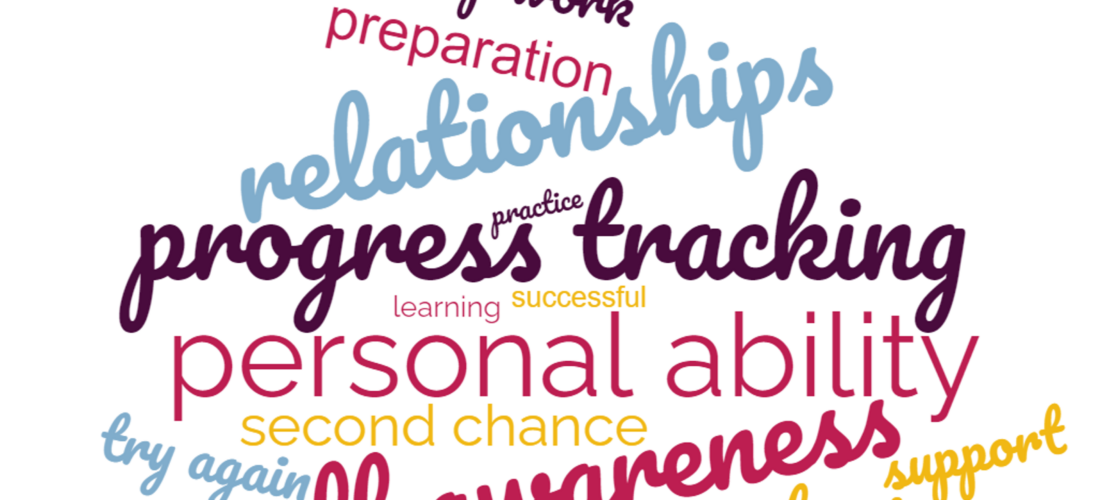
Webinar: We Don’t Talk About Grading
TeachingDr. Laura Boyle hosted our June webinar and expands on her recent blog.
She has also provided her slide deck for easy access:
Connect on social media:
Latest posts
- Making a Difference: Strong Literacy Instruction for Students in Poverty.
- From “I Can’t” to “Here’s What I’ve Tried”: Disciplinary Literacy Practices That Support Productive Struggle
- Building Inference Skills: Scaffolding Disciplinary Reading
- August Webinar: Recommitting to Coherence in Disciplinary Literacy Implementation
- Equitable Disciplinary Literacy Instruction For Students in Poverty

Leave a Reply