Financial Literacy Policy Update

Teaching

Tori Young opens our March them with information that has shaped this addition to South Carolina High School Curriculum. Read more about Tori at the end of the blog.


Scrolling through social media, I often see young adults lamenting about why their teachers never taught them about taxes, credit, or interest rates. These adults feel lost and overwhelmed by the financial responsibility thrust upon them. While financial education may not look the same as it did fifteen years ago with Home Economics and Family and Consumer Science classes being defunded in several states, financial literacy is still integrated into many state standards through Social Studies and Freshman Readiness classes such as Economics or College and Career Readiness (CCR) classes. such as EPF.2.PR: “research and analyze the factors that impact personal income and long-term earning potential,” as an indicator in Economics and “students will be able to demonstrate productivity skills that will aid them in school and the workplace” as an objective in CCR.

            Financial literacy is one of the few skills taught in schools that has a direct application to life for each student at the moment of learning it and in the future, regardless of their career goals. Knowing how to manage a budget, keep a healthy credit score, take out and pay off loans, and consider healthy investments are something every American adult has to consider on some scale every day. To understand income and expenses, a bank versus a credit union, and credit and debit are simple terms in financial literacy, but understanding them can greatly impact someone’s financial success. Knowing what options are available and what they mean helps consumers make smart financial decisions for themselves and their families, as well as avoid being taken advantage of by banks, loan companies, and businesses.

            Lawmakers understand that when their constituents are financially literate, which means they can make better personal and business-related financial decisions, their states have greater economic success. Because of this, lawmakers over the past few years have begun to find ways to prioritize financial education through the standards of existing courses such as high school Economics and CCR courses that are already funded and required for graduation. Some states are even starting to require Personal Finance as a half-credit course, which teaches students how to balance a budget, plan for future expenses, understand banking and payment options, and choose appropriate loan and credit options for their personal goals. As financial literacy in middle and high school education is becoming a topic for our representatives, what should we know as teachers?

            As of December of 2023, only 25 states require at least a half credit of personal finance, with five states and Washington D.C. not including personal finance in their standards (Nex Gen Personal Finance). However, the past two years have seen exponential growth in financial literacy in high school education because more politicians have seen the importance of young people becoming financially literate. In South Carolina, back in 2022, lawmakers passed 1.101 (SDE: Graduation Requirements) to require an additional half credit of Personal Finance for graduation beginning with the current freshman class of 2023-2024 (SC Dept of Ed). To meet this requirement, many high schools in SC now require Business Ed, CCR, or Social Studies teachers to step in to teach the course. Not only do these courses help students as individuals to be financially successful, but they help their communities and states as well when everyone has a better understanding of their finances. While only half of our country is requiring this skill to be taught, it is promising that more states will be joining them in the near future.

            If you are wondering how this may apply to you as a middle or high school teacher, it has several impacts both in and out of the classroom! As a high school Economics teacher, I have found many skills from other disciplines necessary for my students to teach them personal finance effectively. We regularly calculate budgets, read data tables, and analyze graphs in class to analyze individual finance goals and overall economic patterns. Many of my students who struggle with personal finance struggle with mathematical and scientific literacy taught in the early years of schooling. For instance, the skills built in middle school science, learning about an X and Y axis, or in Algebra when dividing and working with decimals are crucial for students when they get to Personal Finance. You are building the infrastructure of financial literacy!

            Financial Literacy makes up the second standard in the current SC Economics standards for social studies. The motive is that “financial literacy is imperative in making individual economic decisions regarding spending, careers, and setting short- and long-term financial goals. Decision-making and marginal analysis tools are essential in evaluating possible financial options. The ability to make wise choices can impact one’s standard of living and future earning potential” (2019 SSCCR). In order to achieve this goal, Economics teachers rely on a foundation of disciplinary literacy across the general education courses. From ELA, we ask students to research reliable sources and read news articles to find key information about the job market to determine if their career choice is feasible and realistic. From Mathematics, we require the ability to add and subtract to manage expenses and balance a budget as well as read a graph to evaluate the highs and lows of the cost of living. And from Science, we are gathering data from sources and testing different financial choices repeatedly to come to a sound conclusion.

We can all agree the weight of financial responsibility is heavy, for everyone. In turn, when these students graduate and begin their careers, whatever that may be, these students will have the knowledge needed to navigate financial independence. And maybe one day, when they are extremely wealthy, they will remember those of us who helped them get there. 😉

If you want to learn more about personal finance and financial literacy or access free curriculum, resources, and games for students, check out www.ngpf.org. If you are an Economics teacher and your state has implemented personal finance into your standards, check out www.econedlink.org and www.everfi.net for great resources and learning modules!

Tori Young is a high school social studies teacher in Anderson, South Carolina. She is currently working on her Master’s in Instructional Design and Learning Technology at Anderson University.

Using the Jigsaw Strategy to Acquire Content in Biology

Teaching

Classroom teacher Wanda Littlejohn shares how she engages striving readers using the Jigsaw Strategy. Read more about Wanda at the end of the blog.


My classroom teaching experience began over 20 years ago in an affluent school district where there were only a few elementary schools, two middle schools, and one high school. All of the schools focused on student academic growth and excellence, and they collaborated well together to ensure the content taught was aligned vertically and horizontally. Most of my students read fluently, were motivated to learn new things, and had similar experiences at home and at school. As a science teacher, I rarely had to provide interventions to gain student interest or to help them read and write like scientists. However, over the years I have learned that my experience as a classroom teacher is vastly different and not all students make it to high school knowing how to read and write fluently. According to the 2023 SC Ready test results, only 53% of eighth grade students either met or exceeded the reading expectations for the state while other subgroups such as pupils who are in poverty, Black, multilingual learners, and with disabilities performed at a rate of 42.3% or less (SCSDE, 2023). Because of these results, it is evident that students entering high school need reading support, and high school teachers need to be equipped with strategies that will assist students in all content areas, specifically in science. In this post, I will share how I utilized the jigsaw strategy as a means to facilitate success for striving readers a biology class.

In the January 4, 2022, issue of EdWeek Madeline Will states: “For the millions of students who struggle to read at grade level, every school day can bring feelings of anxiety, frustration, and shame” (p.1). The highly rigorous curricular standards outlining the knowledge and skills students should have by the end of each science course are designed to prepare students to predict outcomes, create procedures, analyze data, and draw conclusions. If over half of the students entering high school are unable to read at grade level, they are not able to meet the science classroom demands, ultimately leading to students’ feeling frustrated and lost in their science classes. Will (2022) goes on to state “…children who don’t receive appropriate support can fall behind in multiple classes, even though they are capable of intellectually understanding the material” (p. 2). If students are intellectually capable of understanding the material, scaffolds need to be put in place to bring that intellectual understanding out of them. Moreover, those strategies need to assist the striving reader’s comprehension of scientific text and vocabulary.

I had the pleasure of providing corrective instruction for several groups of students taking a Biology I course, many of whom were either multilingual learners or were students with a learning disability. During the lesson, we addressed the processes of cell division, cellular respiration, and photosynthesis and their importance to sustaining life. Because these concepts are so abstract, many students find them difficult to grasp.  The teacher’s initial testing showed these students needed more time with the content because they were unable to clearly define the concepts or processes which had been taught nor were they able to identify models that represented each concept. It was evident from these data that students needed a way to better comprehend the vocabulary.

Addressing the concern of providing appropriate support for striving readers, I chose to use the jigsaw strategy to support these learners as we revisited the concepts stated above.  In John Hattie’s research, the jigsaw strategy has a large effect on student achievement.  Hattie proclaims in his book Visible Learning (2009) that self-instruction, organizing, and transforming are valuable tools to get students to be active in their learning and all create a high impact on student growth and achievement. The jigsaw strategy adds student discourse to the lesson and allows students to read, write, speak, and listen within a cooperative setting. 

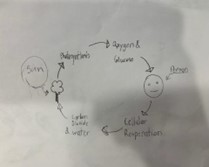
During the lesson, the students were assigned one of the four concepts (photosynthesis, cellular respiration, macromolecules, cell division).  The students were given 20 minutes to read articles and listen to videos about their assigned topic.  Each student was given a graphic organizer that supported their reading and listening and contained questions they had to answer during their individual research time to ensure they were obtaining the right information about their concepts.  After their research phase was complete, the students were given 30 minutes to work in expert groups with other students who had the same concept so they could synthesize and organize their information.  The students also had to create a model representing their concept and produce talking points they could use to explain their concept to others.  It was imperative for me to conference with each group during the expert phase to ensure they were on the right track and they had accurate descriptions.  The final step in the process was to jigsaw the students so each group contained an expert on each concept.  During this phase, the students shared their models, while other students filled out a graphic organizer capturing the new information learned.  As the jigsaw ended, one student indicated she really felt better about the concepts and she learned so much in the smaller group setting.   At the close of the lesson, the students took a short assessment again on each concept.   


Figure 1


Figure 2

In Biology, the standards require students to create models to illustrate the processes of both cellular respiration and photosynthesis. The figures above show some of the students’ interpretations of those process after completing the jigsaw activity. It was evident from the figures above that the students had a general understanding of both processes. Figure 2 shows an even deeper understanding that both processes depend on each other and produce a continuous cycle.

In closing, striving readers, according to Will (2022), need a supportive classroom environment where they are welcomed to be risk takers and to have a growth mindset.  During a jigsaw activity, there are a lot of moving parts and directions. The advice I would share is to be prepared to redirect students, repeat instructions, and visit each individual during each phase to ensure the students feel supported. Allowing students to research and read individually first gives them an opportunity to make meaning of things before they have to make meaning with a peer. Becoming an expert with a peer allows striving readers to reread and repeat information a second time, which enhances comprehension. I found the jigsaw strategy increased student knowledge of the concepts, gave them the confidence they needed to engage in discussion with their peers, and gave them the ability to complete the models shown in Figures 1 and 2. To learn more about the jigsaw strategy, click here.


Dr. Wanda Littlejohn has 23 years of experience in the field of education.  She is currently the Instructional Specialist at Carolina High School in Greenville, South Carolina.

AI and the Art of Writing: Balancing Innovation with Tradition in Education

Teaching

We welcome Ian O’Byrne as we open our blog and webinar theme: Artificial Intelligence. Please read more about Ian at the end of the blog.


Educators are currently struggling with a significant decision: Should AI be integrated into the writing process? Some worry that it could impede students’ writing skills. This leads to an important question: Have American schools ever been successful in teaching writing? When was writing education at its best? Where is it now?  As educators, how can we strike the right balance?

There is no easy answer to these questions. The history of writing education in America is long and complex, and there have been many different approaches to teaching writing over the years. Schools now stand at a crossroads as AI-powered writing tools gain popularity. These technologies promise to enhance instruction and feedback but also raise concerns about over-reliance. To make sense of this balance, let’s first look at what exactly AI is.

What is Generative AI?

The intelligence of computers or software, as opposed to the intellect of people or animals, is known as artificial intelligence (AI). It is a branch of computer science that creates and investigates intelligent machines. Uses of artificial intelligence in the form of an agent, bot, or tool are generally labeled as AI. In the last year, we’ve seen an influx of AI in our lives as ChatGPT exploded on the scene. A far better way to view these tools is to refer to them as Generative AI and not simply as AI or ChatGPT.

Generative AI refers to advanced artificial intelligence systems that can generate new content on their own rather than just responding to user prompts. Models like GPT-3 (ChatGPT) can write entire essays, stories, and code after being trained on vast datasets. This means they may soon be capable of assisting students and teachers with writing tasks like brainstorming ideas, translating rough drafts into more polished work, answering content questions, and even providing feedback.

However, generative AI also raises challenges. Teachers will need to focus on developing original thinking skills rather than knowledge recall, and concerns around plagiarism, creativity, and voice must be addressed. When used judiciously, generative writing tools could enhance instruction and revision. But ultimately, writing education should emphasize the uniquely human aspects of imagination, analysis, and persuasive communication that AI cannot replicate.

What about writing instruction?

The history of writing education in America is a mixed bag. Some of the earliest writing instruction in America took place in one-room schoolhouses, where students were taught the basics of grammar and spelling. Teaching pupils to write included teaching them how to form letters, spell words, and have readable, if not exquisite, handwriting. Writing instruction in American schools began in the late 1800s as colleges started requiring admissions essays. This mostly focused on preparing an elite group of males with a formulaic, five-paragraph structure that developed basic literacy but limited creativity.

Students were required to master the five-paragraph essay, but this method sometimes stifled originality and expression. While it did instill basic writing skills, it may not have nurtured a deep love for writing. Some shifts came in the 1960s and 1970s as the process approach emerged, emphasizing planning, drafting, revising, etc. The National Writing Project (NWP) raised awareness about the ways that writing changes throughout a person’s life, the impact of a range of school and non-school experiences on writing, and the interactions between writing in school and these lived experiences. 

Throughout the 20th century, writing instruction continued to follow a rigid, formulaic approach, emphasizing grammar and structure over creativity and critical thinking. Some of this focus on the importance of grammar and mechanics in writing instruction was due in part to the rise of standardized testing, which required students to demonstrate their mastery of these skills. Students were inundated with topic sentences, transitional phrases, and conclusion restatements in the omnipresent five-paragraph essay. Although this method guaranteed a basic level of literacy, creativity and enthusiasm were frequently sacrificed.

In recent years, the tide seems to have turned in favor of more innovation, voice, and freedom of expression. There has been a growing movement to move away from traditional grammar-based approaches to writing instruction and to focus more on helping students develop their critical thinking and problem-solving skills. Current best practices involve process-based instruction tailored to students’ needs and interests. Assignments also incorporate more authentic, real-world writing purposes and audiences.

Yet, with this varied history in the focus, goals, and implementation of writing instruction, the teaching of writing has not changed in many schools. Debates continue around balancing process approaches with quality outcomes. Standardized writing tests have been criticized for over-emphasizing grammar at the expense of actual writing skills. Researching writing development, including spelling patterns and the connections between writing, speaking, and reading, is a constant challenge. Other ongoing issues include managing teachers’ heavy workloads, integrating technology for composition and collaboration, and closing achievement gaps for minority students. Simultaneously, some educators find it difficult to strike a balance between grammar and real-world communication possibilities.

Writing Education and Generative AI

Generative AI tools hold great promise, but they also pose risks. Over-scaffolded writing assignments might fail to teach core composition skills. Targeted AI feedback could improve self-editing and reworking while maintaining the humanity of audience awareness and personal narrative. Students can receive immediate, personalized feedback thanks to technologies like AI co-writers, grammar and style checks, and predictive text. Students could become overly dependent on AI recommendations rather than developing their own voice and style. Essay scoring algorithms even mimic the evaluation procedure. Schools should prioritize balancing rather than seeing innovation as a substitute for efficient practice.

As educators and researchers, we need to better understand the appropriate role for writing technologies. How can AI augmentation best complement time-tested instructional methods? Which specific skills should remain the focus for teachers and students? Even with the help of intelligent recommendation systems, collaborative discourse and knowledge might still be developed through writing workshops and reading circles. Both tradition and technology have their place.

There is no one-size-fits-all approach to writing instruction, and the best approach for a particular student will depend on their individual needs. It is important to note that writing is a skill that takes time and practice to develop. Students will not become good writers overnight. However, with effective instruction, all students can learn to write well. There are some key principles that we can use to help guide future explorations of writing instruction and AI. These principles include:

  • A focus on the writing process as opposed to product, from prewriting to revision
  • Opportunities for students to write for a variety of purposes and audiences
  • Feedback from teachers, peers, and other agents
  • Numerous, varied chances for students to hone their writing abilities

As leaders in literacy, we have the chance to mentor the upcoming generation of authors. When writing instruction veered too much in the direction of either freedom or structure, it went awry. We can provide kids with the best of both worlds by ethically incorporating AI as a tool for improved results. Teaching the craft, generating ideas, finding one’s voice, and fostering a lifelong love of writing continue to be our guiding values. Technology can support this objective if used wisely. We can find the ideal equilibrium if we act carefully and wisely.


Dr. W. Ian O’Byrne is an associate professor of literacy education at the College of Charleston in South Carolina. His research focuses on the dispositions and literacy practices of individuals as they read, write, and communicate in online and/or hybrid spaces. Ian is the author of many journal articles and book chapters focusing on initiatives ranging from online and hybrid coursework, integrating technology in the classroom, computational thinking, and supporting marginalized students in literacy practices. His work can be found on his website (https://wiobyrne.com/) or in his weekly newsletter (https://digitallyliterate.net/).

Weaving a More Complete Tapestry of Truth with Multiple Perspective Texts in the Social Studies Classroom

Teaching

This blog is written by Katie Kelly to remind us how and why to teach a more current and accurate history curriculum. Read more about Katie at the bottom of her post.


Looking Back

For far too long, social studies has been taught (if taught at all) through a teacher-centered model comprised of lectures, note-taking, and task-oriented textbook reading. Students are assigned chapters with questions to answer and are later tested on the content. History becomes rote memorization of key dates and figures without meaningful context or deep learning. Therefore, we should not be surprised that many students lack understanding of significant historical events and find social studies both boring and irrelevant. A 2020 survey of adults under forty revealed that ten percent of respondents were unfamiliar with the Holocaust, and sixty-three percent of those surveyed did not know that over six million Jews were murdered in the Holocaust (Pew Research Center, 2020).

This is frightening and concerning. Not only do we need to ensure that young people are learning history but also that they are learning about it from multiple perspectives in order to weave a more complete tapestry of truth. Dr. Gholdy Muhammad (2020) reminds us to consider how our curriculum and instruction help us understand power, equity, and anti-oppression. Our teaching practices must be responsive to the historical events that shape the present if we aim to help students understand content from marginalized perspectives (Muhammad, 2020).      

Teaching Today

Textbooks remain the primary source of social studies content in many classrooms (Brophy & Alleman, 2009). One problem with relying solely on textbooks is that they are designed as an overview of vast periods of time and lack depth and breadth on specific topics. As a result, textbooks often convey oversimplified information and are frequently told from a single perspective that omits the voices and stories of historically marginalized groups (Yearta & Kelly, 2021). This results in a narrow, biased, white-washed curriculum. Sanitized versions of history induce a sense of patriotism while ignoring the complicated past and present (Demoiny & Ferraras-Stone, 2018). As James W. Lowen writes in Lies My Teacher Told Me: Everything Your American History Textbook Got Wrong (2018),“The stories that history textbooks tell are all predictable; every problem has already been solved or is about to be solved… Textbooks exclude conflict or real suspense. They leave out anything that might reflect badly upon on national character.”  

We cannot ignore our complicated and difficult past if we seek a better tomorrow for future generations. To foster increased engagement in learning a more complete and accurate history, we must build our capacity and willingness to include multiple perspectives and acknowledge that every perspective is true and partial (Hamilton et al., 2020).

Moving Forward

In order to teach a more complete and accurate history, we can incorporate multiperspective text sets including books, articles, primary sources, multimodal resources, etc. featuring the stories and perspectives that have traditionally been silenced or marginalized. Multiperspective text sets help students layer their learning about complex history to develop a more nuanced and accurate understanding of how it influences the present. When students have opportunities to connect the past to the present, history becomes more relatable and relevant to their lives (Kelly et al., 2023).

In our book, Critical Comprehension: Lessons for Guiding Students to Deeper Meaning (2023), we offer a multiple read framework to help students move beyond passive acceptance of information towards a deeper critical analysis of text by questioning the author’s intent, the information included/excluded, how the text positions the reader, and who benefits or is harmed by it. The return read seeks to disrupt and interrupt widely accepted narratives, the writer’s intention, and the reader’s stance to uncover hidden truths. This return read, or critical read, is necessary when examining the ways in which history is presented. As readers deconstruct texts, they think critically about historical and current events to examine power relations revealed in text and mirrored in society (Jones, 2006; Vasquez, 2010).

Sample questions for critical reading:

  • Whose story is being told?
  • Whose stories are being left out?
  • Who benefits? Who is harmed? 
  • How does this perspective position the reader? 
  • What does the author want the reader to think or know?
  • How does the text perpetuate stereotypes?
  • How do your assumptions and associations position you to interact with text?

These questions serve as a framework to help students move beyond the dominant narrative to explore counter narratives and expand their perspectives and understanding of our country’s past and present. History textbooks often center the stories of the victor, the hero, the white male. For example, we think of our founding fathers and our first president and general of the Continental Army who led us toward independence. The Declaration of Independence stated that all men were created equal. We celebrate the Fourth of July with displays of patriotism from waving flags, red, white and blue clothing, parades, and fireworks displays. Yet, history textbooks rarely explain that neither women nor people of color had independence and freedom. In fact, slavery was not abolished for another 86 years when Abraham Lincoln signed the Emancipation Proclamation. Even then, it took three years for this information to reach enslaved people in Texas. On June 19, 1865, federal troops traveled to Galveston, Texas, to bring the news of freedom. This day has been commemorated as Juneteenth, and though Black citizens have long celebrated it, it has largely been overlooked until recently. Juneteenth became a federal holiday in the U.S. in 2021 amidst continued activism and the momentum of the Black Lives Matter movement. Teaching about Juneteenth is one way to help students bridge the past to the present to learn the nuanced and more complete truth of this part of U.S. history. This Book Buzz blog post offers a sample text set to help students deepen their understanding of the importance of Juneteenth.

Our country has a long history of centering the power of dominant voices. This perspective is privileged in the curriculum in our schools as well. Therefore, we must work to ensure that multiple perspectives are included when teaching social studies. Consider your own school experiences. What were you taught? What weren’t you taught? Whose stories were included? Whose were left out? How did that shape your beliefs about the world and your place in it? (Kelly et al., 2023).

Critical comprehension requires deeper reading to consciously question the text, the world, and the stories we’ve been told. Critical readers seek a more nuanced understanding by uncovering silenced voices, omitted narratives, and multiple perspectives needed to weave a more informed and complete tapestry of truth.

References

Brophy, J., & Alleman, J. (2009). Meaningful social studies for elementary students. Teachers and Teaching, 15(3), 357– 376.

Demoiny, S.B. & Ferraras-Stone, J. (2018). Critical Literacy in Elementary Social Studies:

Juxtaposing Historical Master and Counter Narratives in Picture Books. The Social Studies, 109(2), 64-73. 

Hamilton, D.M., Wilson, G.M., & Loh, K.M. (2020). Compassionate Conversations: How to speak and listen from the heart. Boulder, CO: Shambhala.

Jones, S. (2006). Girls, social class and literacy: What teachers can do to make a difference. Portsmouth, NH: Heinemann.

Kelly, K., Laminack, L. & Vasquez, V. (2023). Critical Comprehension: Lessons for Guiding

Students to Deeper Meaning. Thousand Oaks, CA: Corwin Press.

Lowen, J. W. (2018). Lies My Teacher Told Me: Everything Your American History Textbook Got

Wrong. New York: The New Press.

Muhammad, G. (2020). Cultivating Genius: An Equity Framework for Culturally and Historically Responsive Literature. New York: Scholastic.

Pew Research Center, Jan. 22, 2020, “What Americans Know About the Holocaust”. Retrieved from https://www.pewresearch.org/religion/2020/01/22/what-americans-know-about-the-holocaust/.

Vasquez, V. (2010). Getting beyond “I like the book”: Creating space for critical literacy in K-6 classrooms. Newark, DE: International Reading Association.

Yearta, L. & Kelly, K.(2021). Digital Storytelling to Enhance Social Studies Content Knowledge, Explore Multiple Perspectives, and Advocate for Social Justice. In J. Tussey & L. Haas (Eds.). Connecting Disciplinary Literacy and Digital Storytelling in K-12 Education. IGI Global.


Katie Kelly is an Associate Professor at Furman University in Greenville, South Carolina. As a former teacher and literacy coach, Katie’s teaching and research interests include engaging children in meaningful literacy experiences and practices to foster lifelong literacy, equity, and justice. She is widely published in several peer-reviewed journals and has co-authored four books. She can be contacted on Instagram/Twitter @ktkelly14 and by email katie.kelly@furman.edu.

Action! Growing Historical Writing Skills with Video Essays

Teaching

This blog is written by Tori Young and shows us how to scaffold written essays resulting in a video essay. Read more about Tori at the bottom of her post.


Have you ever caught yourself in the never-ending rabbit hole of online video essays? Conspiracy theories, movie plot analyses, theme park history and so many more topics are explained in a thorough manner with research and analysis weaving together ideas and backgrounds you never would have put together. Even if you have not stumbled into this online phenomenon, I can assure you that your students have. Whether hour long YouTube deep-dives, or short TikTok synopsis series, students are being presented with researched information about a wide range of topics even if they do not recognize it. After noticing this for myself, I asked “why aren’t more essays like this?”

Research papers and argumentative essays are the primary form of essay writing used in my history classroom. I want my students to know how to be informed citizens and communicate their ideas and beliefs in a way that is grounded in historical truth and facts. I typically scaffold this process throughout the year using activities based on the content. Typically, I start out with an exit ticket asking students to pick a side on a tough topic (no in between!) and tell me why they chose their stance. Nothing formal just to get them to practice how to take a stance. Slowly I will make them add facts from a document we read in class to back up their positions and eventually start teaching the research process by having them look for reliable sources of their own to support their side. Eventually, all that information can be used to organize and create a well-written paper for social studies.

The broad goals of this process are to teach students how to make informed decisions and communicate their ideas effectively. While a traditional essay is an excellent way to practice those skills, many teachers like me have seen the difficulties for students that come with that ultimate step of writing the paper. For many students, the formal language or length of the writing assignment can be daunting to approach, causing them to shut down before trying. But we look at them confused; they have already practically written the paper with their summaries and research. Why can’t they just fill in the gaps with just a few sentences?

I found myself asking these questions every year. When I asked my students to verbalize their answers, I got great insight and connections to the content from them. They know this content, in fact many of them get passionate about it when it is time for them to argue. As I pondered this, I concluded that most of my students will only share their research and findings about topics verbally in their futures. Why am I not adding a verbal layer of assessment to this process?

This is where the wonderful world of video essays came into play for me and my classes. A video essay takes on the same structure as an essay but uses visual aids and commentary to present the information. Just like a good historical essay, it begins with background information on the topic and a clear thesis. It is then followed by key points that are supported by examples. And lastly, the video concludes with the creator’s main idea and the topic’s historical impact. Video essays help students practice research skills, organizing ideas and examples, but instead of writing, they are practicing presentation skills! 

An example of this in my high school US History classes is during our unit on the Antebellum era. There are a lot of names of important people during this period; abolitionists, women’s rights activists, and politicians. I let my students pick from a list of key figures to research to share their life story. I give loose parameters on the assignment, asking students to provide the background of the person’s life, their contributions to Antebellum America, and their lasting impact on the United States. Some students may need more guidance, so it may be helpful to provide examples of information you are looking for such as their birthplace, career, and writings to name a few possibilities. I then ask students to record a two-minute video using WeVideo or Screencastify to present their findings using media to support their discussion. 

I have seen my quietest students speak without hesitation in these videos, presenting on topics with great care and speaking skills. The key is that I do not show them in front of the class. Once the fear of being judged by their peers is taken away, students become comfortable with the process. They also begin to get creative with their media. Many will create a PowerPoint to display and follow along with for their video. However, I have seen animations, skits, and eulogies come out of this assignment as students begin to find their creativity with this medium. 

Students are still practicing all the skills I need them to learn for my goals, but by incorporating video essays I have seen higher levels of engagement with historical content. This is not meant to take away from the importance of formal writing. While not all our students will go on to university and academia, they will still need to write important emails and apply for jobs. Formal writing is an important skill, but if you also notice students needing an extra step in scaffolding the writing process in social studies then consider video essays. Students will even surprise themselves with how much they know!

Images courtesy of Pexels


Tori Young is a high school social studies teacher in Anderson, South Carolina. She is currently working on her Master’s in Instructional Design and Learning Technology at Anderson University.

Navigating Education, Policy, and Advocacy in the Face of Anti-Truth Legislation

Teaching

This post was written by Ian O’Byrne. You can read more about Ian at the bottom of this post.


In recent years, there has been a growing trend of anti-truth legislation being introduced at the state and local levels. These bills often target discussions of race, gender, and other sensitive topics in public schools. While framed as bans on teaching Critical Race Theory (CRT) or LGBTQ issues, legislation such as this is ultimately a ban on truth and history that impinges on K-12 educators’ First Amendment rights and threatens to upend the structure of education law and policy. As educators, it is important to be aware of these bills and to take steps to advocate for the right of all students to learn about the full and accurate history of our country.

A recent example

This past year, the South Carolina Transparency and Integrity in Education Act (H.3728) sought to prohibit “certain concepts from being included in public school instruction and professional development” and to provide a means for addressing violations. The bill wanted to prohibit the teaching and training on concepts related to race, religion, politics, gender, gender identity, and sexual orientation. Supporters suggested it’s a way to stick to state education standards while opponents say it opens the door to censorship. 

It is important to note that this is one of many anti-truth pieces of legislation that we’re seeing across the country.    

This legislation is organized and funded by groups like the Heritage Foundation as they provide templates to allow lawmakers and copy/paste into bills. Review the CRT legislation tracker from the Heritage Foundation here.  

Anti-Truth Legislation and the First Amendment

Anti-truth legislation refers to laws that restrict or prohibit the teaching of certain historical or factual information, which can be seen as a violation of the First Amendment rights of K-12 educators and students.

The First Amendment to the United States Constitution protects the freedom of speech, religion, press, assembly, and petition. In the context of this post, the First Amendment applies to the constitutional protections afforded to K-12 teacher speech and the potential violations of those protections by anti-truth laws. Anti-Truth laws impinge on K-12 educators’ First Amendment rights by restricting or prohibiting the teaching of certain historical or factual information, which can be seen as a violation of the freedom of speech.

I understand that legislation such as this serves as a chilling effect on educators and students. Not many educators at this point are challenging these laws on First Amendment grounds. This may be due to teachers not wanting to test these boundaries, due process, or established legal precedents.

In the tumultuous landscape of modern education, book bans, stifling class discussions, and curtailed written work have emerged as alarming consequences of anti-truth legislation. As educators grapple with navigating these challenging times, the very essence of intellectual freedom is put to the test. Book bans, often driven by ideological agendas, limit students’ access to diverse perspectives and critical thinking, hindering their ability to develop a well-rounded understanding of complex issues.

Likewise, stifling class discussions on controversial topics suppresses the exchange of ideas, hindering the development of open-mindedness and empathy. Concurrently, stringent restrictions on written work can restrict students’ creativity and force self-censorship, stifling their growth as independent thinkers. In the face of anti-truth legislation, educators and advocates must unite to safeguard the fundamental pillars of education, fostering an inclusive, truth-seeking environment that empowers students to become informed, engaged citizens ready to navigate a complex world.

What can you do?

One of the most important things that educators can do is to stay informed about anti-truth legislation in their state and local area. There are a number of organizations that track this legislation and provide resources for educators, such as the Education Law Center and the American Civil Liberties Union. This spreadsheet from PEN America helps keeps track of these bills. Once you are aware of the bills that have been introduced, you can take steps to educate your community about the importance of these issues.

Another important step is to interact with policymakers, school boards, and parents. This can be done by writing letters, attending public meetings, and speaking out at school board meetings. It is important to be respectful and to present your arguments in a clear and concise way. You can also encourage your students to get involved in advocacy efforts.

It is important to remember that the First Amendment protects the right to free speech. This means that schools cannot censor discussions of race, gender, or other sensitive topics simply because some people find them uncomfortable. If you believe that your school is violating your First Amendment rights, you should contact the American Civil Liberties Union, The ProTruthSC Coalition, SC United for Justice and Equality, or another organization that can provide legal assistance.

This protection extends not only to educators but also students in schools. Students could challenge these broader laws by arguing they have a First Amendment right to take in lessons and information from schools.

Advocacy and activism can be challenging, but it is essential to protect the right of all students to learn about the full and accurate history of our country. By staying informed, interacting with policymakers, and educating your community, you can make a difference in the fight against anti-truth legislation.


Ian O’Byrne is an associate professor of literacy education at the College of Charleston in South Carolina. His research focuses on the dispositions and literacy practices of individuals as they read, write, and communicate in online and/or hybrid spaces. His work can be found on his website (https://wiobyrne.com/) or in his weekly newsletter (https://digitallyliterate.net/).

Photo by Rod Long on Unsplash

The Impact of Educational Policy on Secondary History

Teaching

This post is written by Tori Young. Read more about Tori at the bottom of this post.


As educators, we are masters at adapting to new scenarios and thinking on our feet. Whether it is behavioral challenges in the classroom, changing grade levels or content areas, or being told a new acronym that will guide our students to academic achievement. While the patterns stay the same, change remains the one constant in our world. In a time of attention on literacy policy in our public schools, what do we do as educators when our curriculum is criticized, and our livelihood is on the line? And how do we engage students in the process of not only understanding the necessity to examine policies but also how to do this and why?

In secondary history, many communities have questioned the intentions behind the curriculum presented. Talks of Critical Race Theory and indoctrination have instilled fear in parents and policymakers for the minds of students as they become passionate voices in movements for climate change, women’s rights, and racial equality. As teachers, the impact we have on a student is apparent, and sadly there are few enough instances of teachers abusing that role to teach their own agendas. In a time of great societal change and political bipartisanship, parents have expressed their concern for their children’s beliefs being influenced. As teachers, a lot of this skepticism falls upon us, even though forceful influence is very rare to see and is quickly reprimanded. Yet, we fall victim to the fear for our careers when discussing important, yet sensitive issues. Fear is valid, even if it is a small number that has created cause for concern. Fear should not prevent us, however, from doing our job of teaching true history.

True history is based on facts and first-hand accounts. Primary sources are the best accounts we have of our world before modern media, but a good historian is aware that these diaries and newspaper articles are just as full of bias. Our role is to teach students how to spot perspectives through context and draw their own conclusions based on facts. This skill is what makes not just a good historian, but a great citizen. Evaluating the world and the policies that impact our lives through an unbiased narrative is nearly impossible. Teaching students how to maintain their own beliefs, while also educating themselves with facts and truths is far from indoctrination. Instead, it is the foundation of a true democracy. Our republic is made up of diverse cultures, lifestyles, and needs. Raising a voting population that can make change for their communities while respecting the various opinions and preferences of other citizens is what makes a democracy free and fair. When teaching tough subjects such as religion, slavery, and civil rights, have students follow up the lesson with reflection. Depending on the classroom environment, it may be good to have a discussion so that students can hear and learn from each other’s perspectives. In some cases, it may be beneficial to have students write down their beliefs and receive unbiased feedback from the teacher to ensure that they understand the content while knowing that their views are validated and safe in the classroom.

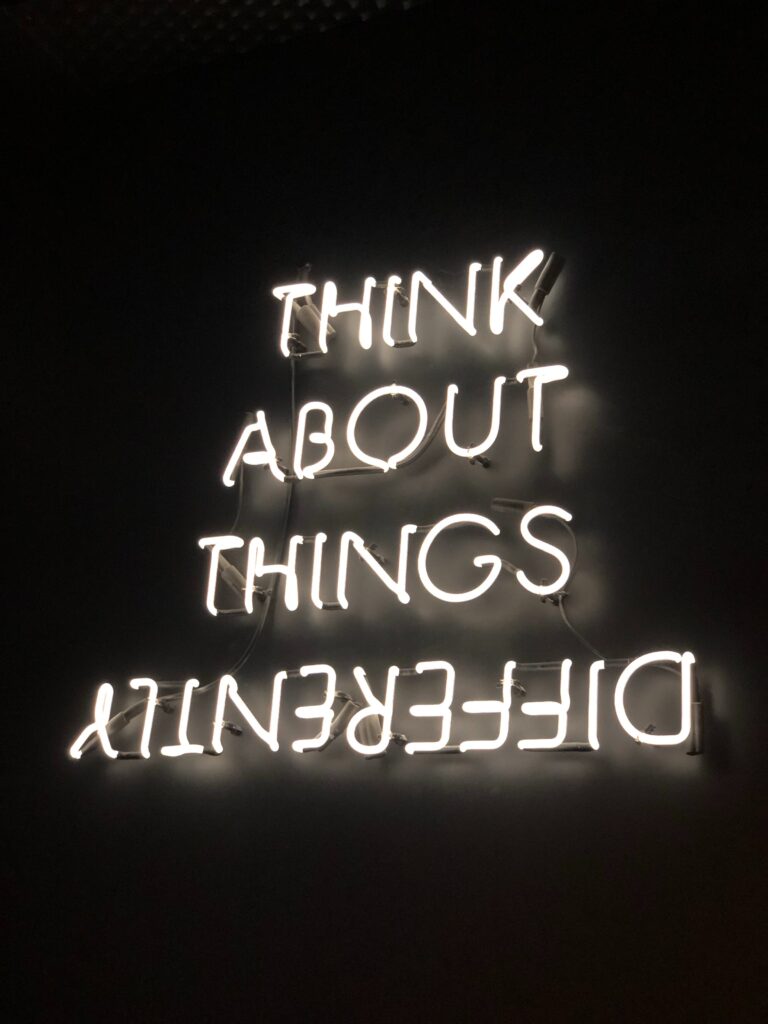
Photo by Ivan Bertolazzi: https://www.pexels.com/photo/neon-signage-2681319/

As policies in schools change, students do not always have the context. By pointing out instances in history where similar changes have occurred, showing the verbiage of standards and indicators, and creating discussion in the classroom about policy that impacts students directly, they are practicing this critical thinking skill.  By questioning the “why” behind literary policy in our social studies classrooms, students can come to their own conclusions based on the facts and their personal beliefs. This may look like having students recall a previous reading from a social studies or ELA class and having them reflect on the overall message of the author. Then, students can share with a partner what they found and try to spot context – why the author thought the message would be important. Lastly, students can analyze the impact if that message was never received. For example, if George Orwell’s 1984 was never written, would there still be people who believed that the government was completely trustworthy? Why would it matter to question the government? Where do we see examples in history where questioning the government has created change? How might the world be different if governments were never doubted or challenged? Our curriculum may be judged and altered to fit the new narrative of society, but it does not have to be a hindrance. We are always living in history; the context just looks a bit different.

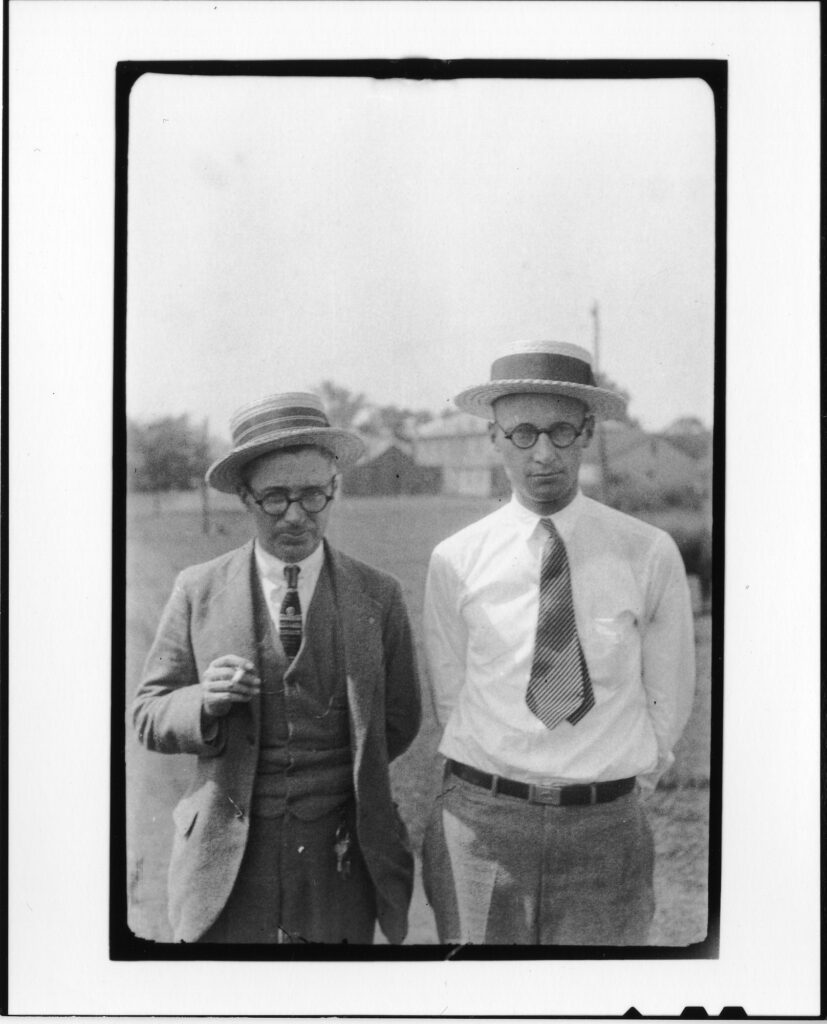
Davis, W. (1925). Tennessee v. John T. Scopes [Black and White Photographic Print]. Smithsonian Institution Archives. https://siarchives.si.edu/collections/siris_arc_386642

Schools have been at the forefront of societal change several times in United States history. Challenging separate but equal through Brown v. Board of Education, questioning religious influence in curriculum with the Scopes Trial, or providing equal opportunities regardless of gender with Title IX, schools have been an environment for questioning society and legislation as the new generation learns about the world that they live in. Having schools targeted and subdued for speaking true history is not a new phenomenon, and it is not a purely American phenomenon. That does not make the changes and adapting any less scary for educators, but it does follow a pattern. Studying history helps us learn from patterns, so don’t panic. Instead, acknowledge the signs of the times, and help your students connect the dots for themselves just like you have been doing all along.   


Tori Young is a high school social studies teacher in Anderson, South Carolina. She is currently working on her Master’s in Instructional Design and Learning Technology at Anderson University.

Cover Image CC0

Mentor Texts for Disciplinary Writing Instruction–Not Just for ELA Teachers!

Teaching

This post is written by Jenelle Williams. Learn more about Jenelle at the bottom of this post.


As educators, many of us can identify mentors–people who have supported us along our educational journey. To mentor someone is both a sacred task and a tall order. In classrooms, text can serve as mentors as well. The purpose of this blog post is to clearly define what we mean by a disciplinary mentor text and to consider implications for effective disciplinary writing instruction. So let’s get started!

This is an exciting time to be an educator, as notions of text are expanding as time and technology move forward. For the purposes of this blog post, let’s agree that text includes anything with encoded meaning. This, of course, can mean printed words on a page, but it can also include many other things, such as symbols, musical notation, football play diagrams, dance performances, videos, audio recordings, podcasts, graphs, charts, and more. In this expanded definition of text, we must also expand our definitions of what it means to read, write, and be literate. For our purposes, being literate in a particular context means a person can consume the encoded meaning of a text, comprehend the meaning, and communicate in ways that are valued by that particular academic discipline or profession.

What is a mentor text?

Mentor texts are typically short, engaging texts provided to students for a particular purpose, including (but not limited to) the following:

  • Acting as a foundation to learn or imitate a specific writing form
  • Teaching students to read with a writer’s eye (e.g., sentence structure or word choice)
  • Demonstrating what good writers do
  • Helping students take risks in their writing and develop their skills (from Teachstarter.com)

The role of multimodality and representation

As educators select mentor texts to use as part of instruction, it is important that, in addition to expanded notions of what qualifies as text, they intentionally include multimodal texts. Multimodal refers to something occurring or being communicated through multiple media of communication or varying forms of expression. For example, a campaign video may have images, music, text, and data all presented in one multimodal text. Students regularly interact with multimodal texts (videos with embedded audio text, for example), and need instruction and practice in order to be critical consumers of these texts.

There is an additional (and necessary) challenge as educators select texts that serve as mentors for students’ disciplinary writing–how to ensure that they are attending to issues of representation. To what extent are authors of various ethnicities, cultures, backgrounds, and perspectives represented? How might we be more intentional to include authors representing historically marginalized populations? To be sure, this requires more time and effort on the part of educators, but it is well worth the effort, as it can provide students with a connection and entry point to learning.

Authentic purpose in mentor texts for writing

In order to truly engage secondary students in authentic inquiry with mentor texts, it is vital that educators provide an authentic purpose for students to engage in mentor texts beyond simply being assigned to do so. It must be clear that the mentor text will serve a purpose and will eventually allow students to communicate their ideas with an audience greater than themselves and the teacher. The following lists some examples of authentic inquiries that would require students to engage with a wide range of texts (including mentor texts):

  • Why does a lot of hail, rain, or snowfall at some times and not others?
  • How can we use mathematical and statistical knowledge and analysis to monitor and predict the spread of disease and use our findings to make and evaluate decisions made at the personal, community, state, and national levels?
  • How can we use poetry to promote social justice in our community?
  • How can we as historians uncover and share stories about our community? Whose stories are often left untold?

Once we have identified authentic purposes for students to engage with disciplinary mentor texts for writing, we need to consider instructional approaches that leverage the power of those texts. Just as we needed to define the term “text”, it is vital that we hold a shared understanding of what we mean by the term “writing”–or, at the very least, a shared understanding of what we mean by writing instruction:

Let’s begin with some non-examples of writing instruction. They include the following:

  • Writing instruction is NOT assigning writing
  • It is NOT over-emphasizing grammar, spelling, and punctuation
  • It is NOT requiring rigid structures (i.e. telling students exactly how many sentences, what kind of sentences, and in what order)
  • It is NOT valuing the writing product over the writing process
  • It is NOT copying notes from lectures or PowerPoints, definitions of vocabulary words, answers to questions straight from the textbook, or formulas for writing

When we are working with educators to strengthen their writing instruction, we emphasize the following practices:

  • Modeling the process of preparing to write, drafting and revising writing, and reflecting on writing
  • Using writing as a tool to support learning and reflection
  • Providing support before and during writing in class
  • Valuing the process of writing just as much as the product

Disciplinary writing begins with an authentic purpose for writing. Members of various academic disciplines and professions use both informal and formal writing in order to process or organize ideas; communicate and share ideas; evaluate ideas; develop and support a claim; explain a phenomenon, process, or solution; entertain; record data, evidence, and observations; solve a problem; and much more. Middle- and high-school students can be apprenticed into these types of disciplinary writing with intentional support.

For example, students in an eighth-grade Social Studies class might engage in inquiry on the following question: What was the human toll during the Civil War? As part of their inquiry, they may read the following disciplinary texts: photographs of soldiers preparing to go to war, data tables on Civil War casualties, and first-person accounts from soldiers’ diaries. Students may engage in informal writing such as annotating texts; note-taking in response to readings, discussions, or teacher-presented information; and constructing an outline and then a first draft of a historical account or explanation. Formal writing may be a historical account or evidence-based argument about the human toll of the Civil War that is shared with an appropriate audience beyond the teacher.

Essential Instructional Practice 4 & additional helpful resources

Essential Instructional Practice 4 from the Essential Instructional Practices in Disciplinary Literacy document is a great place to start for teachers that are interested in strengthening their support of students’ disciplinary writing. Teachers may read the General Practices at the beginning of the document, or they may be interested in selecting the content area section that best aligns with their work. Additional helpful resources are also suggested in the table below.

Multidisciplinary
Learner Variability Navigator
ELAMathematicsScienceSocial Studies
Michigan Middle School English Language Arts UnitsWriting in Mathematics – Annenberg LearnerScaffolding Students’ Written Explanations | AST Beyond Writing to Learn, The Science Teacher (NSTA)Read.Inquire.Write
The New York Times MS HS Writing Curriculum
MusicPhysical Education & HealthVisual ArtsHeritage & World Languages
Lesson Idea | MAEIAWritingAthletes.comLesson Idea | MAEIAThe Nature of L2 Writing | Foreign Language Teaching Methods

The great news is that secondary educators do not have to be writing experts (or even published authors) in order to teach students how to write effectively within and across disciplines. As long as we keep expanded notions of text, multimodality, and representation in mind, along with an authentic purpose for students to engage with a disciplinary mentor text, we are well on our way to modeling and scaffolding students as they create disciplinary texts of their own. We are lucky as well that we have free, widely available resources that can help us shift toward effective pedagogical moves. Let’s get writing, everyone!


Jenelle Williams is a Literacy Consultant within the Leadership and Continuous Improvement unit at Oakland Schools, an intermediate school district supporting the 28 districts in Oakland County, Michigan. She joined the organization in 2017 following 18 years of experience in public schools at the elementary, middle, and high school levels. She has served as a classroom teacher, IB Middle Years Programme Coordinator, teacher leader, and educational technology coach. An IB Educator and Examiner since 2013, Jenelle leads professional learning workshops and marks e-assessments for the International Baccalaureate Organization. She holds an Education Specialist in Leadership degree and a Master’s degree in Reading and Language Arts through Oakland University. In addition, Jenelle serves as an Adjunct Professor in Grand Valley State University’s Graduate Program and a co-editor of The Michigan Reading Journal, a publication from the Michigan Reading Association. Jenelle is passionate about supporting teachers, building leaders, and central office administrators in the area of secondary literacy, and she is especially excited to be able to support Michigan’s work around disciplinary literacy through her role as Co-Chair of the statewide Disciplinary Literacy Task Force. She can be reached at jenelle.williams@oakland.k12.mi.us, and on Twitter at @JenelleWilliam6 and @GELN612Literacy.

Cover Photo by Desola Lanre-Ologun on Unsplash

Growing as a Literacy Leader

Teaching

This post is written by Erin Kessel. You can learn more about Erin at the bottom of this post.


What is a literacy leader? In my opinion, it is a highly qualified teacher in literacy instruction who provides valuable resources for other teachers to facilitate quality instruction. Providing highly qualified teachers with the opportunity to fill this role promotes growth in our field, allows these experienced teachers to stay in the classroom, and gives more novice teachers a mentor to support them. Today I will share with you my personal story as a literacy leader and the opportunities it provided me to grow as an educator while also growing others.

In 2020 I was offered an opportunity by my district to become a Multi-Classroom Teacher with a focus on literacy. The Multi-Classroom Teacher position was created in our district for master teachers, a designation determined by classroom observation and student performance data, who then co-taught across multiple classrooms with other teachers and apprenticed them in highly effective instruction. After 12 years in the classroom, mentoring beginning teachers, supervising interns, and leading PLCs, I was ready to grow as an educator and accepted the position. The goal was simple — mentor and model literacy instruction in five 3rd through 5th-grade classrooms where teachers had less than three years of teaching experience.

Through years of learning and applying strategies of Adaptive Schools and Cognitive Coaching, I began with a plan to actively listen to the teachers, identify needs, and establish goals to support them. I spent two weeks simply observing the literacy blocks of each classroom. I recorded objective, anecdotal notes and began to set my intentions for areas of targeted support with each teacher. The following descriptions are the focus areas based on my data for each teacher:

  • Teacher #1 – An experienced teacher assistant transitioning to a teacher with strong small group instruction skills but difficulty designing whole group literacy instruction where students experience a gradual release of responsibility of learning (Goal – To design whole group literacy lessons focused on scaffolding the learning for students).
  • Teacher #2 – A engaging third-year teacher who had powerful literacy instruction methods but lacked knowledge of how to incorporate collaborative learning within her classroom (Goal – To learn about, model, and engage in collaborative strategies).
  • Teacher #3 – A second-year teacher who had the “right stuff” as an educator but had never taken the time to build rapport with her students and felt a lack of community within her classroom (Goal – To build relationships with and learn about students as people including their likes, interests, and home life).
  • Teacher #4 – A compassionate second-year teacher who lacked organization and engagement strategies to encourage her students to want to learn (Goal – To learn about, model, and engage in Whole Brain Teaching strategies).
  • Teacher #5 – A first-year teacher who spent her clinical teaching year virtually due to COVID who lacked sufficient classroom management skills, therefore behaviors and disruptions were consistently affecting learning (Goal – To establish norms and routines in her classroom as well as create a concrete classroom management plan to hold students accountable of their actions and encourage them to want to learn).

After a week of collecting observational data, I set a time to meet with each teacher and have a goal-planning conversation. Within the Cognitive Coaching model, it is the coach’s job to lead the participant/s through the stages of a conversation where they identify their goals and set their own plan while the coach provides some potential strategies. I discovered this group had not been able to collaborate with an experienced teacher since their student teaching and therefore did not have access to guidance, resources, and tools for effective literacy instruction.

As a mentor teacher, I had the experience, knowledge, and resources to support each of these teachers’ goals. I asked the teachers to become observers for two weeks during their literacy block and allow me to facilitate learning in their classrooms while focusing on their specific needs. The teachers used an observer form to stay focused on my facilitation of the instruction specifically tied to their goals. I also attended their planning periods, where we collaborated to develop a library of lessons and resources. I built rapport and trust with each teacher, which allowed us to consistently hold reflective conversations focused on their goals and ways to incorporate the instruction they observed into the lesson plans we created.

(When these amazing teachers choose to dress in my Erin Kessel “iconic” daily outfit, I know I have made connections with my teachers)

I spent two weeks cultivating and facilitating different plans for each class and working with students of all ability levels while incorporating many diverse types of teaching strategies to model options of literacy learning. The following were ways I helped each teacher approach her goal:

  • Teacher #1 – We redesigned her schedule with a specific time set to introduce content, model, and allow students to practice and apply their learning. We also planned — and I modeled — how to provide differentiated opportunities in a lesson during whole-group instruction. We developed a presentation format (PowerPoint) for her lessons that guided her through the gradual release process.
  • Teacher #2 – I intentionally introduced the class to collaboration practices and strategies within the literacy block. Students participated in Learning-Focused Collaborative Pairs, Socratic methods of teaching, Kagan Cooperative Learning strategies, Adaptive School strategies, and other various strategies I have created through my own experiences. As this teacher observed these strategies being applied in her classroom, she saw student engagement increase, students’ understanding of content grow, and more students involved in class discussion. She then utilized the strategies she was seeing modeled.
  • Teacher #3 – Community meetings were established each morning before her literacy block, which engaged students with each other and utilized multimodal methods of literacy to prepare their brains for the day. Multiple community meeting processes were used where students expressed themselves as individuals and learned commonalities with each other. The teacher participated and learned about the students as individuals, and the students learned more about the teacher. The rapport became evident when students began to support each other during collaborative activities. They also entrusted the teacher with more personal information and would seek guidance in non-academic situations.
  • Teacher #4 –  Through modeling and professional development of Whole Brain Teaching, she was quickly able to establish daily routines through fun callbacks, engage in bodily-kinesthetic and verbal learning of literacy curriculum, and create a respect for her attention when deemed necessary. Her classroom management, routines, and classroom literacy instruction benefited from utilizing this program.
  • Teacher #5 – Through consistent use of expectations and norms and a structured schedule, the teacher replicated my modeled methods and saw improvement in the respect her students had for her. Through attending the planning periods, asking questions, requesting modeling of instruction, and assisting in designing literacy assessments, her understanding of literacy curriculum and how to facilitate it increased exponentially. She also benefited from the shared PowerPoint presentations we made during planning to guide her instruction.

After teaching in all classrooms, I began to see the value of my effort. I started noting strategies I used in their literacy blocks were now being used in other core content areas by these teachers. When we met to review our planning conversations, some teachers felt they had met their goal, and through planning conversations, we established new goals. Over the course of two years, I co-taught and co-planned with these teachers.

(As the shirts state, “Together through it all” was our motto as we worked side by side in their classroom every day.)

The experiences I had as a Multi Classroom Teacher and literacy leader within this school began to grow my need to share this role with others. I recently became a teaching instructor at East Carolina University, where I teach the READ courses to education major students. I can share my experiences and grow our future teachers as they explore their concentrations for their education degree. I encourage students to explore our Read Concentration program to help develop our next Literacy Leaders. I have spoken at multiple conferences on the value of literacy leaders and continue to speak on the benefits of this role in every school, especially schools with low teacher retention rates, as that is where they are most valuable and can make the greatest impact.


Erin Kessel is a teaching instructor in the Literacy Studies, English Education, and History Education Department at East Carolina University.  Previously, she was a Multi Classroom Literacy Leader, Facilitating Teacher, and a 4th grade teacher.  Erin’s work focuses on literacy leadership and developing literacy leaders as well as building a classroom community through literacy as she presents at the local, state and national level.Follow on Twitter @kessel_erin

Please cite this work: Kessel, E. (2023). Growing as a Literacy Leader. Literacy In The Disciplines. https://literacy6-12.org/growing-as-a-literacy-leader. CC BY 4.0 license.

Cover Photo by Markus Spiske on Unsplash